BPR required a highly reliable temporary pumping solution to maintain uninterrupted wastewater flow during a multi‑phase upgrade project. With no room for equipment failure and tight space constraints on site, Industrial TX engineered a robust, monitored bypass system, navigated difficult installation conditions, and ensured full site accessibility throughout the project.
- Home
- The Workdry Group in the US
- Making bypass history

Projects | Holland Pump
Making bypass history
The summary
Challenge 1
BPR could not risk any pump failures. Even a single failure could result in sewage backup or overflow, causing major disruption to millions of customers.
Solution 1
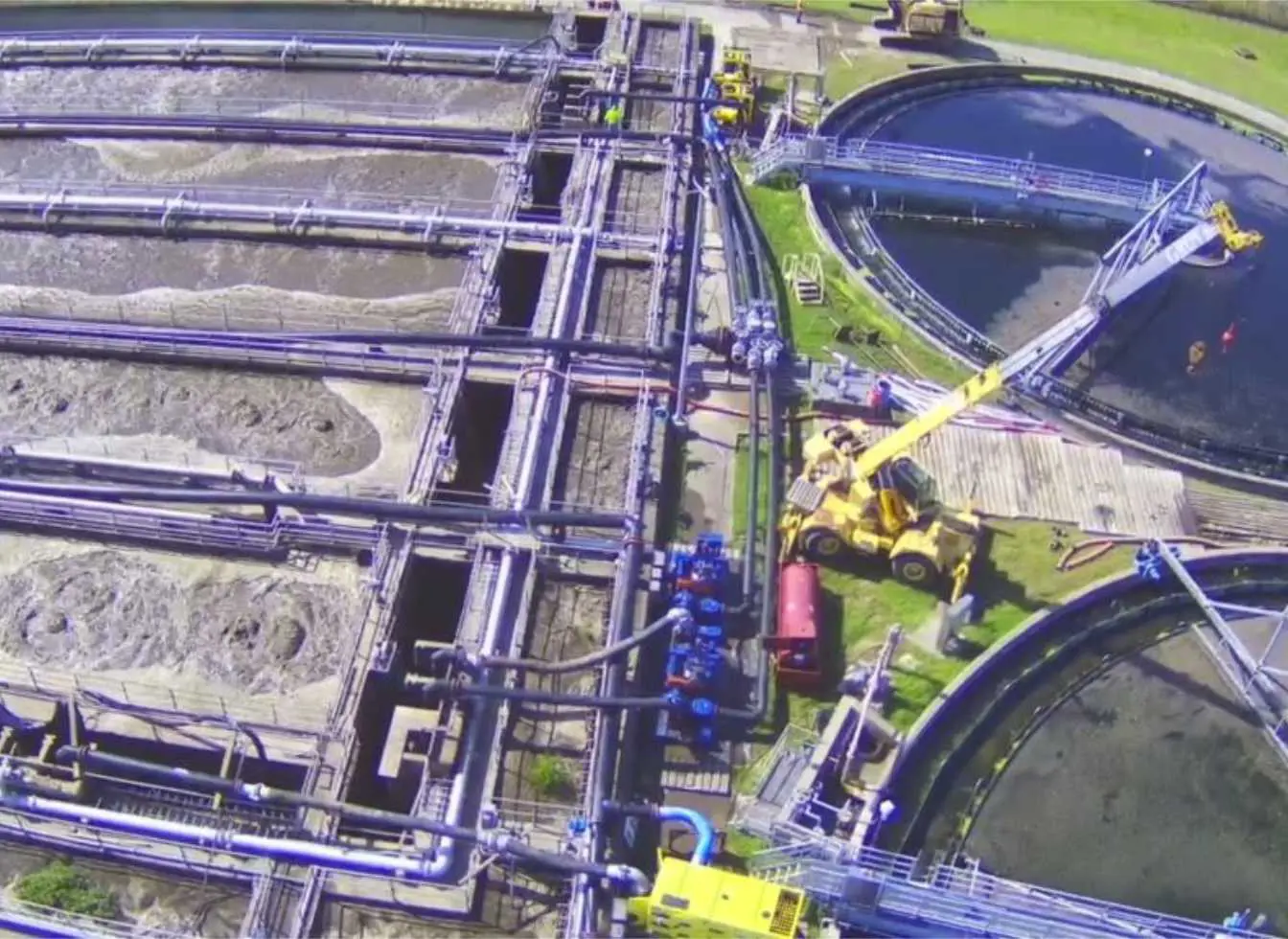
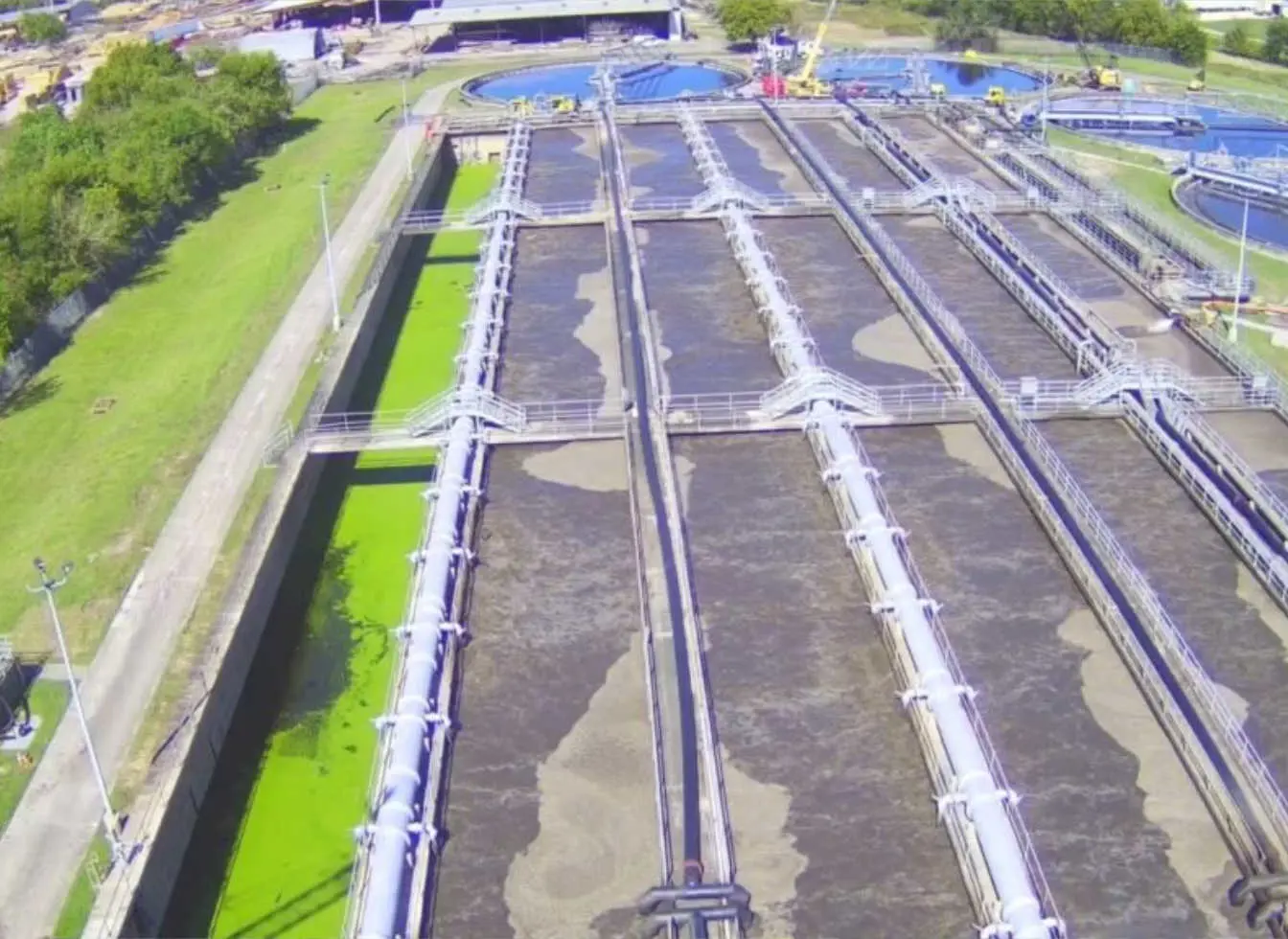
BPR strategically placed 12 12” suction lift pumps on site. 8 of these pumps were primary pumps, and 4 pumps were tied into the system as backups. Industrial TX provided a 24-hour watch and would communicate immediately to BPR’s on-call team if any pumps went down. During this process, none of BPR’s pumps failed.
Challenge 2
During Phase 3, HDPE pipework needed to run between basins, and all pipe fusing had to be completed on a narrow walkway where the pipe itself would also sit, leaving limited space for equipment and movement.
Solution 2
The team manually maneuvered the fusion machine along the walkway while coordinating the controlled movement of the HDPE pipe. This hands‑on approach allowed safe and efficient fusing in a confined and challenging work area.
Challenge 3
The WWTP needed to maintain full access for 18‑wheel semi‑trucks, even as the temporary HDPE bypass pipe ran through critical traffic paths.
Solution 3
A ramp had to be built that was strong enough to hold the trucks as they traveled over the temporary bypass HDPE pipe that was pumping the waste to its next filtering stage.
Connect with our team
Get in touch with our water experts and we'll find a solution that works for you